การสังเคราะห์อัตลักษณ์สู่ภาพประกอบเชิงสัญลักษณ์: กรณีศึกษาการออกแบบปกอุทยานธรณีขอนแก่นเพื่อเสนอต่อยูเนสโก
Article Sidebar
Main Article Content
บทคัดย่อ
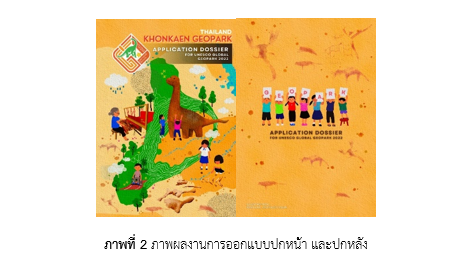
การสื่อสารอัตลักษณ์ของพื้นที่มรดกทางวัฒนธรรมและธรณีวิทยาให้เป็นที่ยอมรับในระดับสากล จำเป็นต้องอาศัยภาพประกอบที่มีประสิทธิภาพ งานวิจัยนี้มีวัตถุประสงค์เพื่อ(1) ศึกษาอัตลักษณ์ของอุทยานธรณีขอนแก่น ทั้งด้านธรณีวิทยา วัฒนธรรม และภูมิทัศน์ และ (2) ออกแบบภาพประกอบที่สามารถถ่ายทอดอัตลักษณ์ดังกล่าวได้อย่างมีประสิทธิภาพในระดับสากล ใช้วิธีวิจัยแบบผสมผสาน โดยแบ่งการศึกษาออกเป็นสองส่วนตามวัตถุประสงค์ คือ การศึกษาอัตลักษณ์ด้วยวิจัยเชิงคุณภาพ และการออกแบบด้วยวิจัยเชิงปริมาณ เพื่อนำเสนอองค์ประกอบสำคัญที่สะท้อนอัตลักษณ์ของพื้นที่ ผ่านแนวทางการลดทอนเนื้อหาและจัดองค์ประกอบ ด้วยเทคนิคจิตรกรรมดิจิทัล (Digital painting) นำเสนอสาระสำคัญใน 3 ด้าน ได้แก่ ภูมิประเทศ ประวัติศาสตร์และวัฒนธรรม และความหลากหลายทางชีวภาพ ผลการประเมินจากกลุ่มตัวอย่างแบบเจาะจงจำนวน 50 คน พบว่า ภาพประกอบสามารถสื่อความหมายได้อย่างชัดเจน มีความเหมาะสมในการเลือกใช้รูปแบบและองค์ประกอบทางศิลป์ รวมถึงด้านความสวยงาม สี รูปทรง และการจัดวาง ได้รับความพึงพอใจในระดับมากที่สุด ภาพประกอบที่พัฒนาขึ้นได้นำไปใช้จริงเป็นปกเอกสารประกอบการเสนอขอรับรองอุทยานธรณีโลกยูเนสโก และใช้ในการเผยแพร่และประชาสัมพันธ์อย่างกว้างขวาง ช่วยให้การสื่อสารอัตลักษณ์ของพื้นที่มีความชัดเจนยิ่งขึ้น และส่งเสริมการรับรู้ ความเข้าใจ และความสนใจในคุณค่าของอุทยานธรณีในวงกว้าง
Article Details
เอกสารอ้างอิง
กรมทรัพยากรธรณี. (2567, เมษายน 29). อุทยานธรณีขอนแก่น. กองธรณีวิทยา. https://thailandgeoparks.org/?page_id=604
ชลูด นิ่มเสมอ. (2557). องค์ประกอบของศิลปะ (พิมพ์ครั้งที่ 9). อมรินทร์พริ้นติ้งแอนด์พับลิชชิ่ง.
เถกิง พัฒโนภาษ. (2551). สัญศาสตร์ กับ ภาพแทนความ (แปลและขยายความ). วารสารวิชาการ คณะสถาปัตยกรรมศาสตร์ จุฬาลงกรณ์มหาวิทยาลัย, 1(1), 35–50.
มูลนิธิขอบฟ้ากว้างเพื่อบุคคลพิเศษ. (2567, ธันวาคม 24). 23 ธ.ค. 2567 คณะกรรมการมูลนิธิ ขอบฟ้ากว้างเพื่อบุคคลพิเศษ [ข่าว]. Facebook. https://www.facebook.com/kobfa2009
อุทยานธรณีขอนแก่น. (2568, มีนาคม 18). ความเป็นมาของอุทยานธรณีขอนแก่น. https://www.khonkaen-geopark.com/website/%20%20Home.html
อุทยานธรณีภูเวียง. (2564, มีนาคม 11). อุทยานแห่งชาติภูเวียง - Phu Wiang National Park [ประชาสัมพันธ์]. Facebook. https://www.facebook.com/Phuwiangnp71
Arnheim, R. (1974). Art and Visual Perception: A Psychology of the Creative Eye. Berkeley, CA: University of California Press.
Barthes, R. (1977). Rhetoric of the image. In S. Heath (Eds.), Image, music, text (pp. 32–51). Fontana Press.https://monoskop.org/images/0/0a/Barthes_Roland_Image-MusicText.pdf
Lidwell, W., Holden, K., & Butler, J. (2010). Universal principles of design. Rockport Publishers.
Media Studies. (2020, September 17). Charles Peirce’s sign categories. https://media-studies.com/peirce-sign-categories/
Wong, W. (1972). Principles of two-dimensional design. Van Nostrand Reinhold.
