
Religion and folk beliefs in Indonesia: The blend of Islam and indigenous beliefs.
Article Sidebar
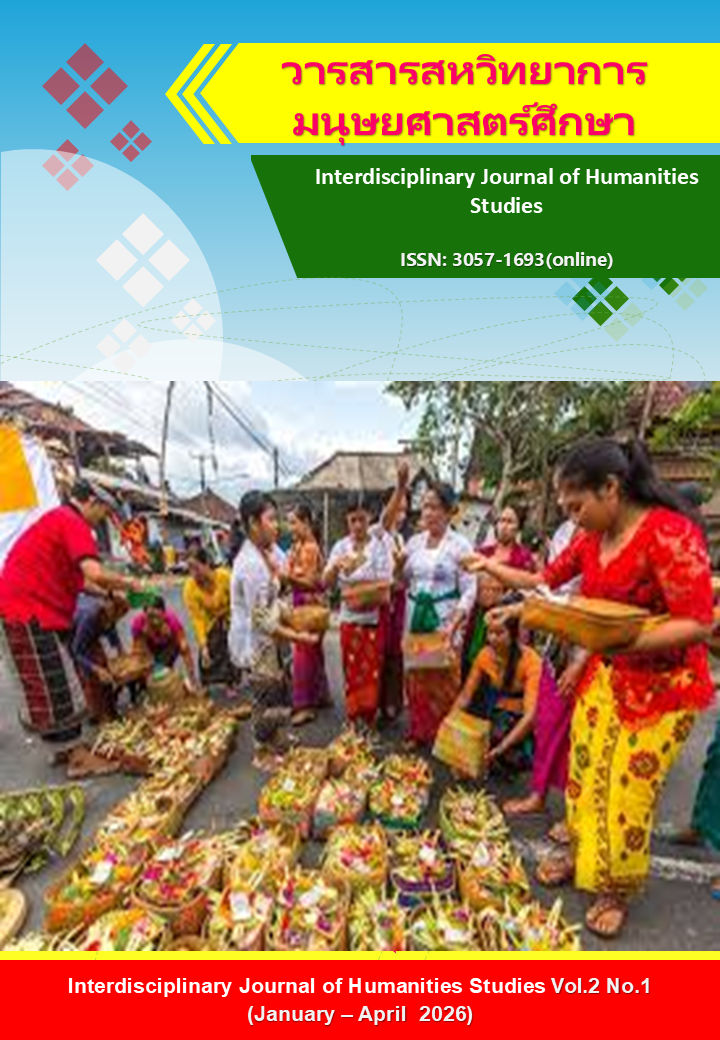
Main Article Content
Abstract
This article examines the syncretism between Islam and indigenous beliefs in Indonesia, focusing on the forms and dynamics of this religious blending within diverse social and cultural contexts. Utilizing the conceptual framework of syncretism and theories of religion as a cultural institution, the study centers on case communities in Central Java, Bali, and Sulawesi. It reveals that the adoption of Islam was not a mere replacement of indigenous beliefs but a complex process of integration and reinterpretation that aligns with local contexts.The article highlights rituals such as Slametan and Labuhan, and the veneration of sacred natural sites like mountains and ancestral spirits as enduring examples of syncretic beliefs. It further discusses the role of the state and religious organizations like the Majelis Ulama Indonesia (MUI) in defining orthodox religious boundaries, and the tensions between local practices and orthodox Islamic ideologies. In the era of globalization and digital media, cultural and religious transformations face intense pressures, particularly among youth who strive to preserve and adapt local traditions to contemporary realities. The article advocates for policies that support religious diversity and cultural education, encouraging a sustainable future for syncretic cultural identities in Indonesia.
Article Details

This work is licensed under a Creative Commons Attribution-NonCommercial-NoDerivatives 4.0 International License.
